 Call Us Today! (303) 431-7333

Benefits of a Diverse Biosystem
Learn how pollinators and other insects play an important role in our ecosystem and how to help
Biodiversity refers to all of the living organisms on earth, which include plants, animals, bacteria and fungi. Many species are being threatened with extinction due to the activities of humans. Pollution, habitat loss, climate change, and population growth have put many species at risk of extinction. Diverse ecosystems are healthier and more capable of surviving disturbances, which is why conservation of our biodiversity is essential. The loss of just one species can affect many species that it interacts with in the ecosystem.

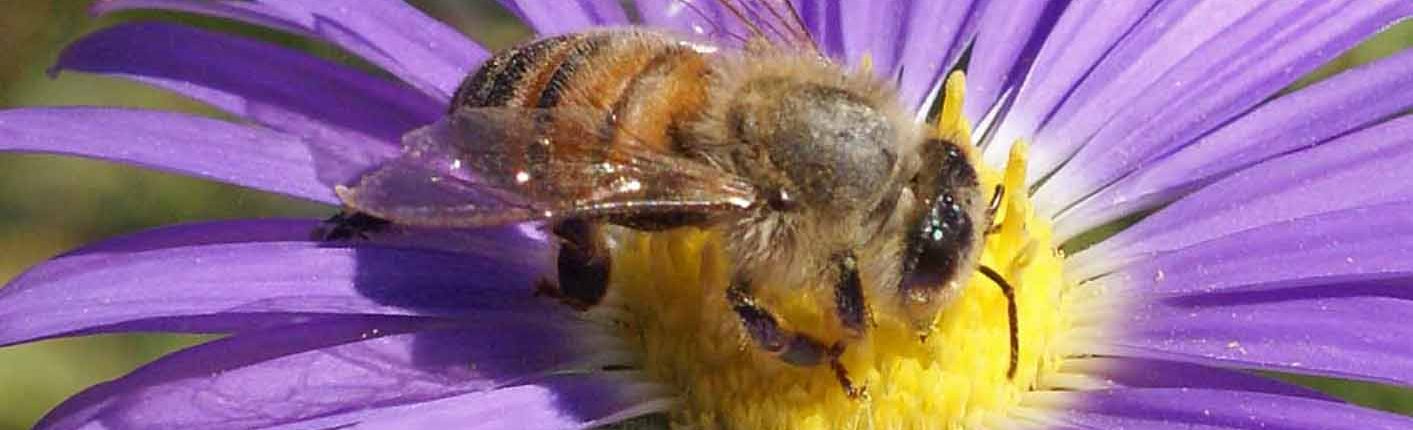
Our native bees perform an important function. They are the most predominant pollinators of flowering plants in the ecosystem, and without them, many of our native plant populations would decline or go extinct. This would negatively impact other organisms that depend on these plants for food and shelter, and in turn, would affect the livelihood of organisms further up the food chain, such as predators. All species are essential for the survival and maintenance of the ecosystems in which they occupy.
There are around 4,000 species of native bees in North America. Most species of bees that you see in urban gardens, farmlands and wildlands are native bees, but there are some species that were introduced to North America. These include Honey Bees, European Woolcarders and Horn-Faced Bees. Native bees range in size from 2 millimeters for some Fairy Bees (Perdita species) to several centimeters (some Bumblebee queens). Some of our native bee species are social bees that live together in colonies, but the vast majority are solitary bees that live on their own.
Approximately 75% of our 4,000 bee species are generalist foragers. These bee species are able to collect nectar and pollen from a wide variety of different plants, which often include both native and non-native species. The other 25% of bee species are specialists that forage on just a few native plant species, and some of these are dependent upon a single plant species. Specialist bees emerge from their nests when these plant species begin to flower, indicating that a very close evolutionary bond exists between the species.
Feeding Native Bees
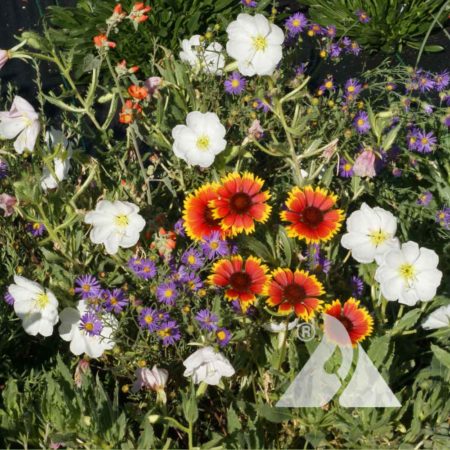
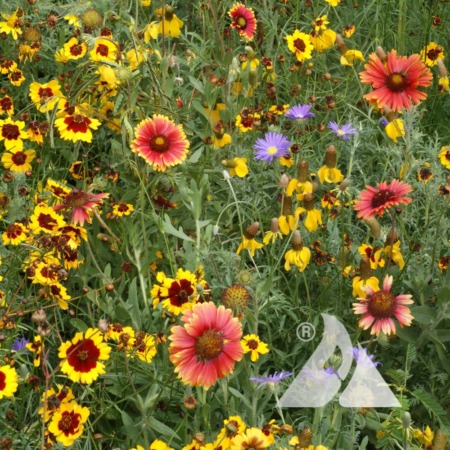
We recommend using our Regional Native Wildflower Mixtures for feeding native bees. These mixtures contain 100% native wildflowers and are ideal for establishment in meadows, roadsides, fields, pollinator strips next to crops and other non-maintained sites. They are also excellent mixes for home gardens and commercial landscaping.
For some areas of the U.S., we also have conservation mixes for pollinators that contain both native wildflowers and grasses. For the Rocky Mountain Region, we have a Foothills Pollinator Mixture and a High Mountain Pollinator Mixture. For the High Plains region, we have the High Plains Pollinator Mixture.
Other options include our Eastern U.S. and Western U.S. Pollinator Mixtures. For these mixtures, we have chosen native wildflowers that are favorites of native bees and other pollinators in our gardens. They contain balanced blends of annuals and perennials that provide nectar and pollen throughout the growing season. Recommended for pollinator conservation projects as well as home and commercial landscaping.
The Bee Feed Mixture is a result of many years of research by Applewood on flower preferences of pollinators in our test gardens. It is a blend of widely adaptable native wildflowers and garden flowers that provide nectar and pollen to many types of native bees and other pollinators. It is well suited for maintained landscapes such as garden beds and borders. This mix is composed of both annuals and perennials and contains early, mid-, and late blooming flowers in order to provide bee forage all season long. Flowers come in a wide range of colors for an attractive display. To help sustain bumblebee populations we recommend our Bumblebee Buffet Mixture which is a collection of easy-to-grow native wildflowers and garden flowers and is perfect for home gardens and commercial landscaping.






Applewood Seed Co. Announces Key Leadership Promotions as Part of Long-Term Succession and Growth Strategy
Applewood Seed Co. is pleased to announce a significant milestone in its long-term leadership succession plan. Effective immediately, Norm Poppe has been promoted to Executive Chairman, Ryan Guilford to Chief Executive Officer, and Mary Gomane to President. These promotions strengthen the company’s leadership team and position Applewood for continued growth as a thriving, employee-owned organization. […]
Dormant Seeding: Nature’s Seasonal Hack
Though the cooler months of the year often mark the close of the growing season, it is also an opportunity to open the door to the next. With dormant seeding, seeds are sown in late fall through winter with the ultimate goal of providing conditions that allow for successful spring germination. This late season planting […]