Call Us Today! (303) 431-7333
Dormant Seeding: Nature’s Hack for Seasonal Success
Though the cooler months of the year often mark the close of the growing season, it is also an opportunity to open the door to the next. With dormant seeding, seeds are sown in late fall through winter with the ultimate goal of providing conditions that allow for successful spring germination. This late season planting technique is useful in temperate areas after the first several freezes. This blog will explain the process of dormant seeding and it’s roots in natural seasonal rhythms, provide some tips for success, and highlight select species and varieties Applewood Seed experts most recommend to our customers who are seeking to employ it.
Dormancy and Dormant Seeding Explained
When dormant, seeds are inhibited from growing in otherwise favorable conditions. One type of short-term dormancy occurs naturally at seed maturation as an adaptive mechanism, protecting the freshly fallen seeds of mature plants from germinating late in the season when there is insufficient time for establishment. Instead, dispersed seeds lie dormant on the soil surface and with each successive freeze and thaw cycle, their contact with the soil improves and short-term dormancy fades, allowing for germination once soil temperatures warm in the spring. This prolonged moist, cold period, known as cold stratification, can also break a deeper-set type of dormancy that would otherwise prevent prompt germination for months to years, depending on the species.
By planting in the late fall and winter, dormant seeding mimics this natural, seasonal rhythm that seeds are adapted to. While cold stratification can be accomplished by moistening and chilling seed in a refrigerator before planting outside (link to instructions), dormant seeding allows nature to do the work for us.
How Does Dormant Seeding Support Better Outcomes?
Dormancy is common among wildflowers and perennials, making dormant seeding a good option for establishing many Applewood Seed Co. products. By breaking dormancy, this technique improves germination and ultimately leads to a fuller, more robust stand. Favorable spring temperatures and moisture allow for germination and early establishment, giving seedlings a better chance of outcompeting early onset weeds, pests and diseases and growing more resilient, acclimated plants from exposure to fluctuating temperatures.
In areas with wet spring conditions, the drier fall months are conducive to easier bed preparation and sowing. To save on irrigation costs, or if supplemental irrigation is not available, seeds sown in the fall are well positioned to take advantage of moisture from thawing grounds, snow melt and spring precipitation.
Tips for Success
With its many benefits, dormant seeding does require planning for successful outcomes. Whether growing annuals or perennials or both such as in a wildflower mix, sowing at the appropriate time, and particularly not too early, is critical to ensure that seeds do not germinate prematurely in the fall.
Wait until soil temperatures are consistently below 40 degrees after several frosts to sow seeds. Prepare the planting area before seeding by removing weeds and other debris and loosening the top several inches of soil with your tool or equipment of choice. Avoid deep tilling that brings buried weed seeds to the surface and therefore excessive competition in the spring.
Environmental pressures, such as windy conditions and wildlife seeking nutrition as food sources seasonally diminish, can interfere with successful dormant seeding. Lightly mulching after planting can protect seeds from interference.
Species and Varieties for Dormant Seeding
The Applewood Seed Co. team can help you determine if dormant seeding is right for your project or area and we can guide you through proper timing and best practices for success. Seed we most recommend for dormant seeding is tagged in our online seed store. For access, sign in online or contact us to sign up. Read on for a snapshot of select species and varieties for dormant seeding, and why our seed experts recommend them.
Early Spring Bloomers
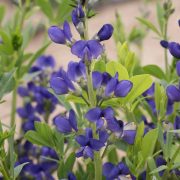
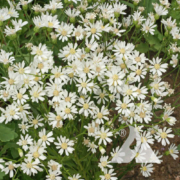
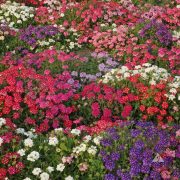
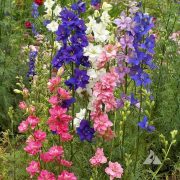
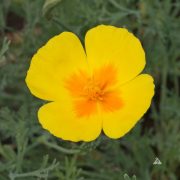
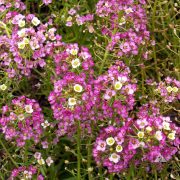
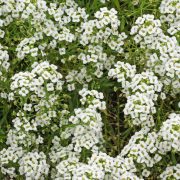
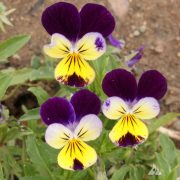
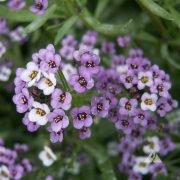
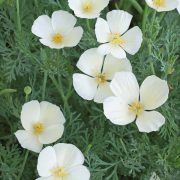
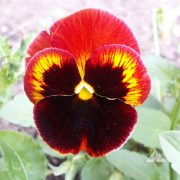
Spring blooming plants often benefit from early emergence. Species and varieties like Viola, Eschscholzia, Papaver rhoeas, Delphinium consolida, and Lobularia maritima can be dormant seeded to help encourage this. Click on the images below to be redirected to their product pages to learn more.
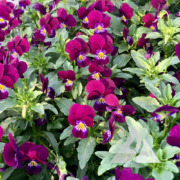

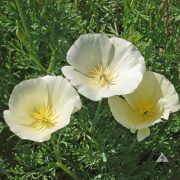
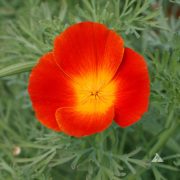


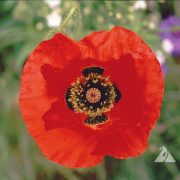





Dormant Seeding Pollinator Favorites
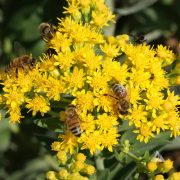
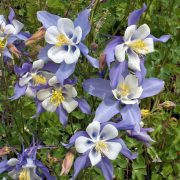
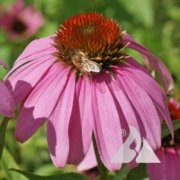
Supporting bees, birds, beneficial insects, and other pollinators is always important. Many wildflowers and garden flowers preferred by these helpful critters will benefit from dormant seeding, including plants that support monarch butterflies such as Asclepias -named the 2025 Perennial of the Year by the National Garden Bureau. Other pollinator favorites like Echinacea, Liatris, Aquilegia and Agastache species can also benefit from dormant seeding.

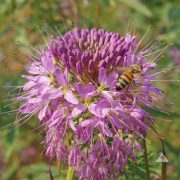
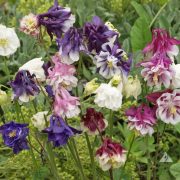
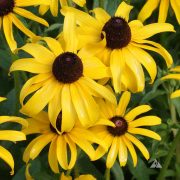

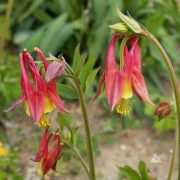
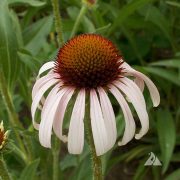
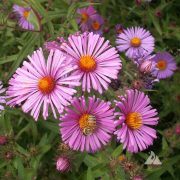
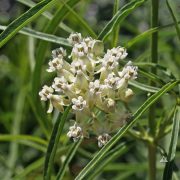
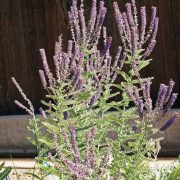
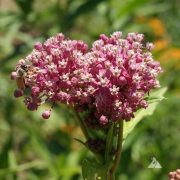

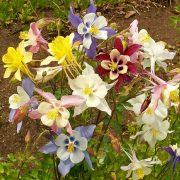
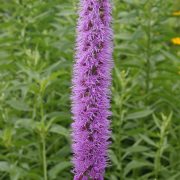
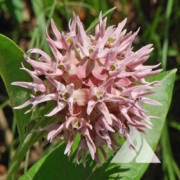


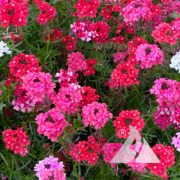
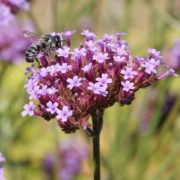
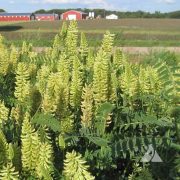
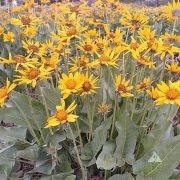
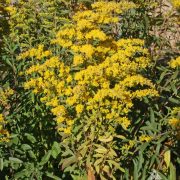
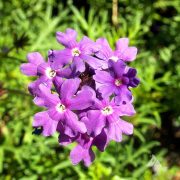
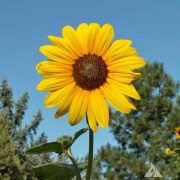
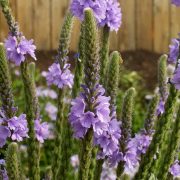
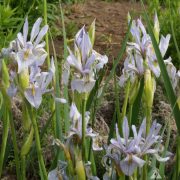
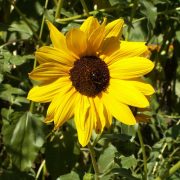
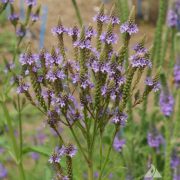
Species with consistently higher rates of dormancy are always a great option for dormant seeding. Applewood Seed’s selection of Verbena and Solidago species are great places to start. Other examples of high-dormancy species and varieties include Balsamorhiza sagittata, Helianthus petiolaris, and Iris missouriensis.